

The following external health websites are recommended by the Student Health Care Center.
NOTE: The information provided on these websites is not intended as a substitute for professional medical advice or emergency treatment. You should not use any information on these websites to diagnose or develop a treatment plan for a health problem or disease without consulting a qualified health care provider.
General medicine

- Centers For Disease Control and Prevention (CDC): The CDC provides credible, reliable health information on: data and statistics; diseases and conditions; emergencies and disasters; environmental health; healthy living; injury, violence and safety; life stages and populations; travelers’ health; workplace safety and health; and much more.
- FamilyDoctor.org: FamilyDoctor.org offers trusted health and wellness information written and reviewed by physicians and patient education professionals at the American Academy of Family Physicians (AAFP), a national medical organization.
- Mayo Clinic: MayoClinic.com offers health information, self-improvement and disease management tools to empower people to manage their health and gives users access to the experience and knowledge of the more than 3,400 physicians and scientists of Mayo Clinic.
- MedlinePlus: A service of the U.S. National Library of Medicine, National Institutes of Health, MedlinePlus provides reliable, up-to-date information about diseases, conditions and wellness issues in easy-to-understand language.
- National Institutes of Health (NIH): Operated by the U.S. Department of Health and Human Services, this website offers a wide variety of information, including: health topics A-Z; wellness and lifestyle; MedlinePlus; and much more.
- UF & UF Health Wellness Committee: The UF & UF Health Wellness Committee, along with GatorCare, is dedicated to bringing wellness opportunities to all UF and UF Health employees, regardless of insurance coverage.
- WebMD: WebMD offers credible and in-depth medical news, features, reference material and online community programs.
Alcohol, tobacco/smoking and other drugs
-
- BeTobaccoFree.gov: BeTobaccoFree.gov uses responsive design, making information accessible anywhere, anytime on any platform, from smart phone to tablet to desktop. The website’s unique social media dashboard, “Say it – Share it,” constantly provides real time updates from HHS tobacco related social media accounts, including Facebook, Twitter, YouTube, Infographics, Podcasts, and Tumblr.
- Addiction Center: Addiction Center Florida covers details about the laws and regulations of drug use that are problematic in the state. These include high numbers of painkiller and heroin abuse. The Florida Addiction web guide also connects individuals to treatment facilities in the area that fit their specific needs.
- Alcohol Rehab Guide: Alcohol Rehab Guide is an organization that provides comprehensive, reliable information on the various aspects of alcohol abuse and addiction. The website offers support and guidance for those who are struggling, as well as their parents, family members, friends and community members. On the organization’s website you can find resources for College Alcohol Abuse and Binge Drinking.

- ScreenU: Anonymous Assessments for Alcohol and/or Prescription Drug Misuse
- Tobacco Free Florida: Tobacco Free Florida (TFF) is a comprehensive effort to reduce tobacco use in the state. TFF is administered through the Florida Department of Health’s Bureau of Tobacco Prevention Program (BTPP), and funded by money derived from the tobacco settlement agreement with the major tobacco companies.
Body art
- Alliance of Professional Tattooists (APT): The APT is a national organization that promotes safety for the tattoo artist and consumer.
- Association of Professional Piercers (APP): The APP is a non-profit organization dedicated to the dissemination of vital health and safety information about body piercing to piercers, health care professionals, legislators and the general public.
Ergonomics
- UF Environmental Health and Safety: The links on the EH&S website contain reference materials and ergonomic tools that may be useful in the identification of risk factors, management of work tasks, organization of work spaces and the selection of effective equipment for the reduction of ergonomic risk factors and injury.
LGBTQ community health and other resources
-
- Gay & Lesbian Medical Association (GLMA): GLMA’s mission is to ensure equality in health care for lesbian, gay, bisexual and trans individuals and health care providers
- ItsPronouncedMetrosexual.com: It’s Pronounced Metrosexual is a site where advocates of social justice can find helpful articles, fun graphics and other resources designed to be shared in an effort to advance social equity. The Genderbread Person v2.0 is an infographic that breaks down gender identity, gender expression, biological sex, and sexual orientation into an easy to understand visual.

-
- LGBTQ Affairs at the University of Florida: LGBTQ Affairs strives to educate, advocate and support LGBTQA people and issues at the University of Florida and in the Gainesville community. Through student-centered programming, outreach, community building and advocacy, we are committed to creating a safe and developmentally supportive and affirming campus-community for students, staff, faculty and alumni of all sexual orientations, gender identities and expressions.
- National Coalition for LGBT Health: The Coalition is committed to improving the health and well-being of lesbian, gay, bisexual, and transgender individuals through federal and local advocacy, education, and research.
- Parents, Families and Friends of Lesbians and Gays of Gainesville (PFLAG Gainesville): PFLAG is a chapter of PFLAG, the nation’s foremost family-based organization committed to the civil rights of lesbian, gay, bisexual and trans (LGBT) people.
- Pride Community Center of North Central Florida: Pride, a 501(c)(3) charitable organization, provides information on local and national efforts and events with a focus on the members of the lesbian, gay, bisexual, trans and queer (LGBTQ) population.
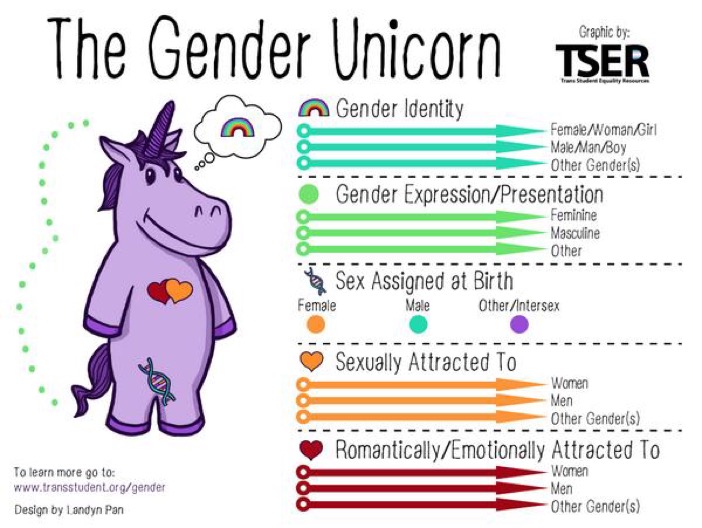
- Trans Student Educational Resources: Queer and trans organizers have been making the distinction between gender identity, gender presentation / expression, sex, and attraction for decades, and TSER’s The Gender Unicorn truly represents this intersectionality.
Men’s health
- Centers for Disease Control and Prevention (CDC) – Men’s Health: The CDC’s “Men’s Health” area provides information on multiple topics, including: science and research; health and wellness; work and play; and family and friends.
Mental health

- UF Counseling and Wellness Center (CWC): As the primary provider of mental health services for students, the CWC offers individual therapy, groups, couples counseling, consultation, crisis services, outreach, biofeedback and more to help students be maximally effective in their academic pursuits.
Nutrition and weight management

- CalorieCount.com: CalorieCount.com is a free online resource providing information on “Nutrition Facts” food labels and nutrition data for more than 220,000 foods.
- ChooseMyPlate.gov: MyPlate, created by the U.S. Department of Agriculture’s Center for Nutrition Policy and Promotion, helps individuals use the established Dietary Guidelines for Americans to: make smart choices from every food group; find balance between food and physical activity; get the most nutrition out of calories; and stay within daily calorie needs.
- EatRight.org: EatRight.org, maintained by the Academy of Nutrition and Dietetics (AND), provides trustworthy, science-based food and nutrition information.
- EDIS, the Electronic Data Information Source of the UF/IFAS Extension: EDIS contains information about health and nutrition in Florida, including: 4-H health; disease prevention and management; eating well; health care; hygiene; medicines and supplements; mental health; physical activity; physical health; pregnancy and fertility; and health and nutrition for special populations.
- Field and Fork Food Campus Food Program: The Field and Fork Campus Food Program is a collaboration to create awareness about food insecurity and sustainable food practices. The pantry, intended to assist members of our campus community who experience food insecurity, offers fresh produce, non-perishable foods, canned goods and toiletries free of charge.
Sexual health
-
- American Social Health Association (ASHA): ASHA, a 501(c)(3) charitable organization, provides information on sexual health with a focus on preventing sexually transmitted diseases and infections (STDs/STIs).
- Centers for Disease Control and Prevention (CDC) – Sexual Health: The CDC’s “Sexual Health” area provides information on multiple topics, including: sexually transmitted diseases and infections (STDs/STIs); reproductive health; healthy pregnancy; HIV/AIDS prevention; sexual violence prevention; and lesbian, gay, bisexual, transgender and queer (LGBTQ) health.
- Counseling and Wellness Center (CWC): As the primary provider of mental health services for students, the CWC offers individual therapy, groups, couples counseling, consultation, crisis services, outreach, biofeedback and more.
- GatorWell Health Promotion Services: In addition to maintaining a presence around campus with the Health Hut, GatorWell provides contraception advice, sexually transmitted infection (STI) counseling, free and confidential HIV testing by appointment and free condoms, lubricants and dental (aka oral) dams.
- ItsPronouncedMetrosexual.com: It’s Pronounced Metrosexual is a site where advocates of social justice can find helpful articles, fun graphics and other resources designed to be shared in an effort to advance social equity. The Genderbread Person v2.0 is an infographic that breaks down gender identity, gender expression, biological sex and sexual orientation into an easy to understand visual.
- Reproductive Health Access Project: The Reproductive Health Access Project provides information on contraceptive options and optional services.
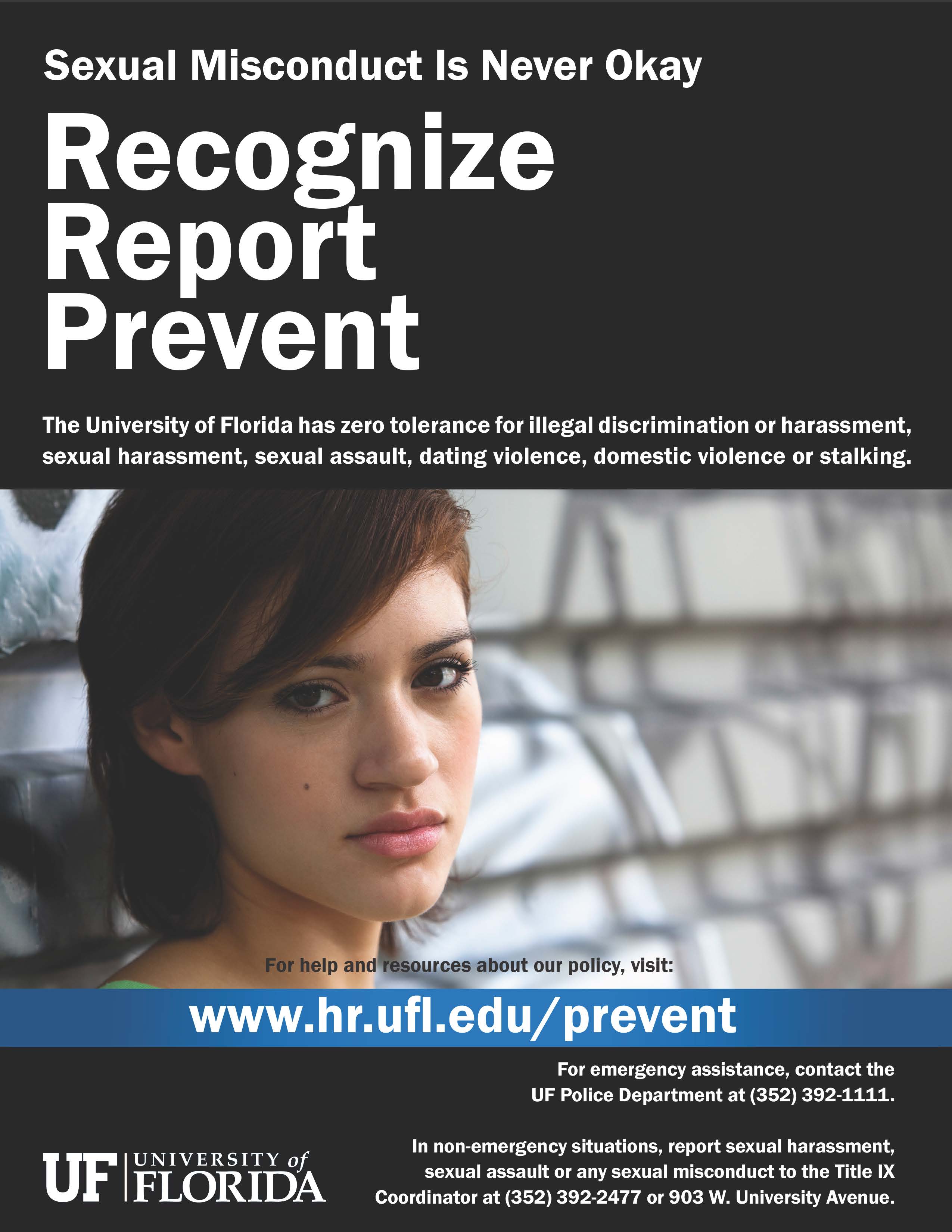
- Title IX at UF: The University of Florida has zero tolerance for illegal discrimination or harassment, sexual harassment, sexual assault, dating violence, domestic violence or stalking. Title IX of the Education Amendments of 1972 prohibits discrimination based on sex in any educational program or activity that receives financial support from the Federal government. Under Title IX, discrimination based on sex includes sexual harassment, sexual violence and sexual assault. Title IX also prohibits retaliation against individuals who complain about or participate in an investigation regarding an alleged Title IX violation.
Skin concerns
- Acne, Questions and Answers – National Institute of Arthritis and Musculoskeletal and Skin Diseases (NIAMS): This publication contains general information about acne. It describes what acne is and how it develops, the causes of acne, and the treatment options for various forms of acne. Information is also provided on caring for the skin.
- American Academy of Dermatology (AAD): Founded in 1938, the AAD is the largest and most representative dermatology group in the U.S. Their website provides expert insights into the care and treatment of skin, hair and nails.
- American Skin Association: The American Skin Association, a unique collaboration of patients, families, advocates, physicians and scientists, provides information on: healthy skin, sun safety, melanoma and skin issues.
- BrownSkin.net: BrownSkin.net is an educational site for individuals with skin of color, including: African American skin care, Asian skin care, Black skin care, Indian skin care and Latin skin care.
Stress, sleep and time management
- Counseling and Wellness Center (CWC): As the primary provider of mental health services for students, the CWC offers individual therapy, groups, couples counseling, consultation, crisis services, outreach, biofeedback and more to help students be maximally effective in their academic pursuits.
- GatorWell Health Promotion Services – Stress Management and Wellness Coaching
Women’s health
- American College of Nurse-Midwives (ACNM): The ACNM promotes the health and well-being of women and infants within their families and communities through the development and support of the profession of midwifery as practiced by certified nurse-midwives, and certified midwives.
- American Congress of Obstetricians and Gynecologists (ACOG): Founded in 1951, non-profit ACOG is the nation’s leading group of professionals providing health care for women.
- Centers for Disease Control and Prevention (CDC) – Women’s Health: The CDC’s “Women’s Health” area provides information on multiple topics, including: science and research; health and wellness; work and play; and family and friends.
- Our Bodies Ourselves (OBOS): OBOS, also known as the Boston Women’s Health Book Collective (BWHBC), is a non-profit, public interest women’s health education, advocacy and consulting organization providing information on: self-care; relationships and sexuality; sexual health; reproductive choices; child-bearing; medical problems and procedures; and growing older.
- Reproductive Health Access Project: The Reproductive Health Access Project provides information on contraceptive options and optional services.